Recitation of following prayers:
- Refuge
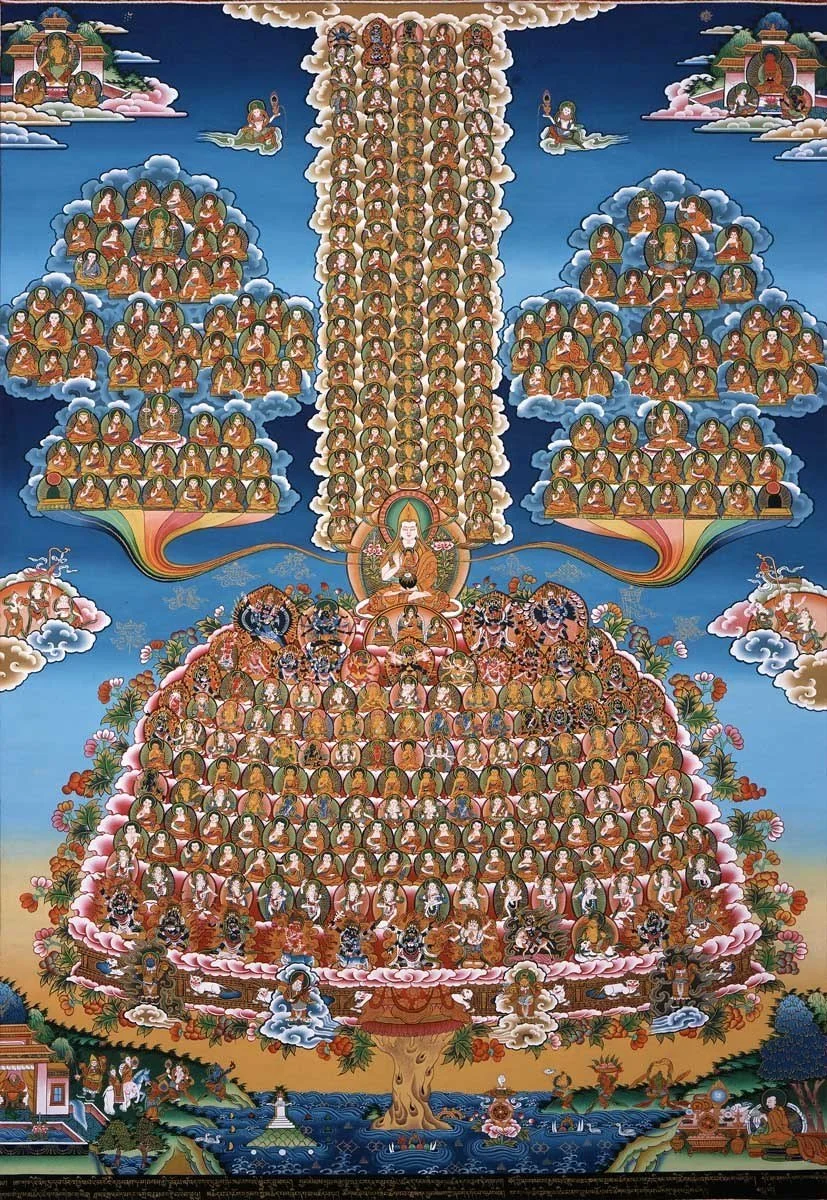
- Hundred deities of tushita
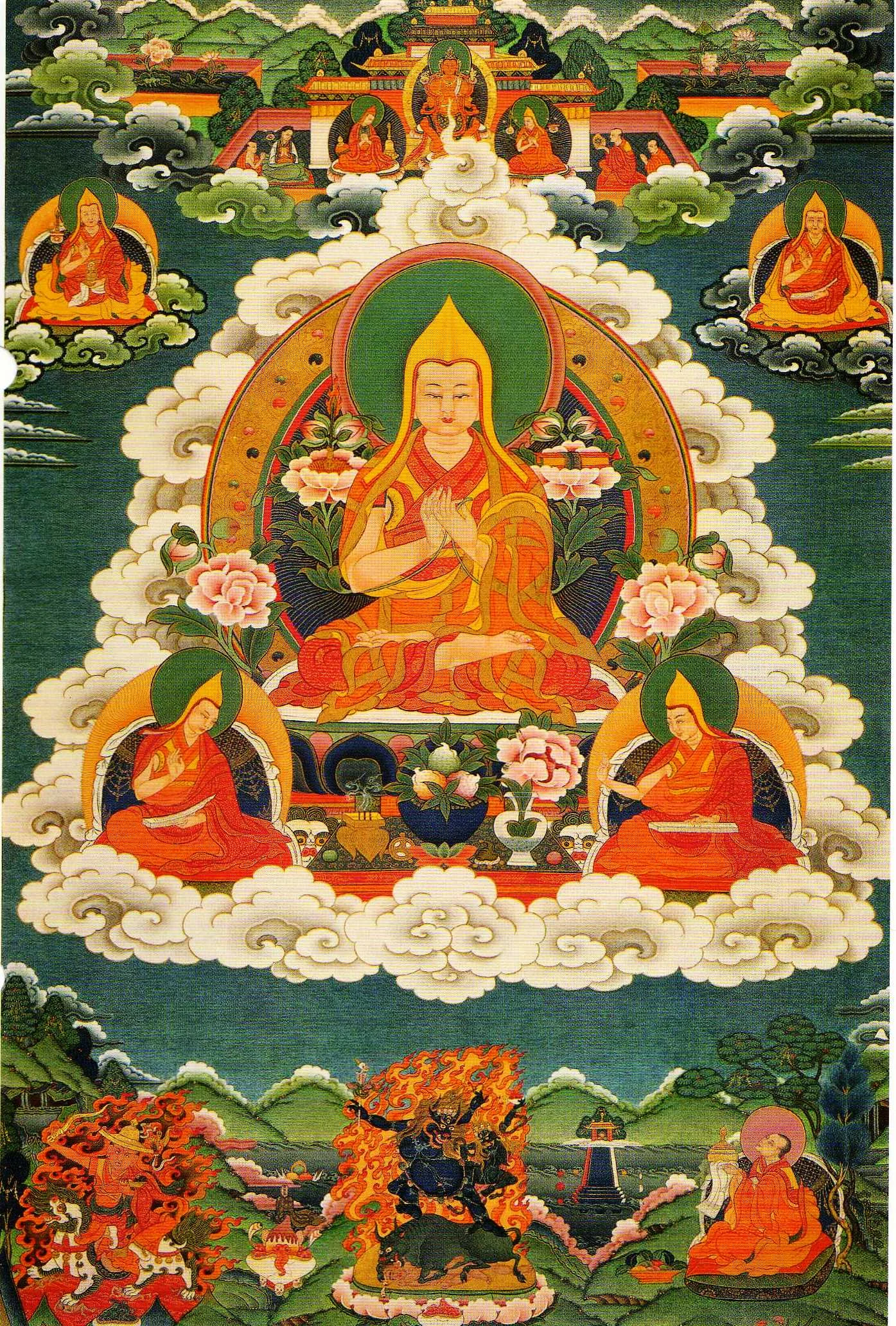
- Guru Puja
- Guru name mantra recitation and meditation
- Guru Puja (continues)
- Dedications
The Thirty-Five Buddhas Confession and Purification Practice is a Mahayana Buddhist ritual aimed at purifying negative karma and ethical transgressions. It is based on the Sutra of the Three Heaps (Triskandhadharmasutra), which includes prostrations, confession, and dedication. The practice helps practitioners overcome obstacles to spiritual progress by purifying karmic imprints and accumulating merit.
Key Components:
1. Prostrations: Physical homage to the Thirty-five Buddhas, symbolizing respect and devotion.
2. Confession: Admitting ethical downfalls openly, guided by the Four Opponent Powers:
• Regret: Genuine remorse for past misdeeds.
• Reliance: Taking refuge in the Thirty-five Buddhas as sources of purification.
• Resolution: Commitment not to repeat the transgressions.
• Remedial Action: Engaging in virtuous activities to counteract negativity.
3. Dedication: Prayers to dedicate merits for the benefit of all beings.
Purpose:
The ritual purifies both minor and major karmic violations, including the five heinous crimes and ten unvirtuous deeds. It fosters spiritual growth by clearing mental obscurations caused by negative karma, thus enabling practitioners to progress on the path to enlightenment.
Practitioners typically visualize the Thirty-five Buddhas during recitation and prostrations, cultivating faith, humility, and conviction in their ability to overcome negativities
In Tibetan Buddhism, a kangso is performed to invite the blessings of the Dharma Protectors. ‘Kang‘ means ‘to fulfil’ and ‘so’ means ‘to offer’, hence a kangso is also known as a fulfilment ritual.
We engage in a kangso to invite the Dharma Protector into our presence, to make sincere requests and offerings, as well as to confess our negative conduct and misdeeds that destroy the very causes of our Enlightenment. In return, the Dharma Protector, through his promise of protecting practitioners on the path of Dharma, sets out to fulfil our wishes and aid our spiritual practice.
This event is only for those who have received the Chakrasamvara initiation from a qualified master.
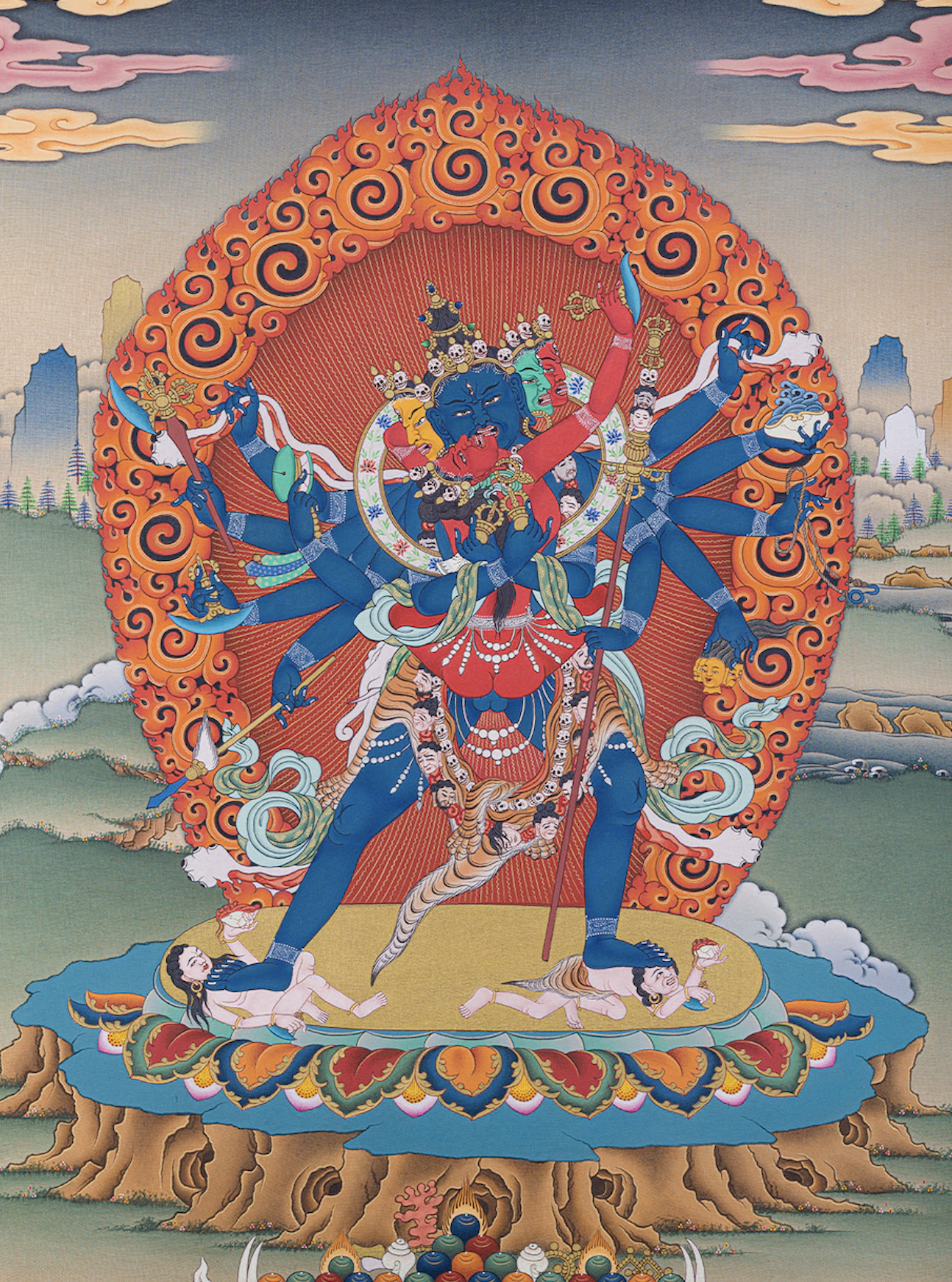
We will engage in the Chakrasamvara body mandala sadhana together for two days.
The female deity Arya Tara, called Jetsün Dolma in Tibetan, is one of the main objects of devotional worship and meditative practice in Vajrayana Buddhism. She is a fully-enlightened buddha who dispels fears, overcomes negative emotions, and develops in us strong feelings of joy and happiness. She assumes 21 forms, some peaceful, some semi-wrathful, and some wrathful, addressing particular situations in our lives. Her compassion is boundless, and those who meditate on Tara are likewise imbued with compassion for all sentient beings.
The practice of Tsog Offering or Guru Puja is done on every 10th lunar calendar. It is a commitment for those practicing tantra to restore and reaffirm their vows and pledges. However, anyone and everyone is welcome to attend this ritual of making extensive offerings to the Buddhas and Bodhisattvas, accumulating the positive energy needed to progress along the spiritual path.
Vajrayogini Self-initiation
This event is only for those who have completed Vajrayogini Retreat.
In Tibetan Buddhism, a kangso is performed to invite the blessings of the Dharma Protectors. ‘Kang‘ means ‘to fulfil’ and ‘so’ means ‘to offer’, hence a kangso is also known as a fulfilment ritual.
We engage in a kangso to invite the Dharma Protector into our presence, to make sincere requests and offerings, as well as to confess our negative conduct and misdeeds that destroy the very causes of our Enlightenment. In return, the Dharma Protector, through his promise of protecting practitioners on the path of Dharma, sets out to fulfil our wishes and aid our spiritual practice.